What Is Acrylic Fabrication and Why Do Retailers Use It?
Published 4 September, 2026
6 Min Read
Walk down any well-run aisle and one display usually catches your eye before the others. It’s not always the biggest or the brightest. Often, it’s the clearest, the one where the product itself does the talking because the fixture around it gets out of the way. That clarity is rarely an accident. More often than not, it’s acrylic, and it’s shaped by a process called fabrication.
If you’re weighing up materials for your next shelf-edge rollout, POS unit or bespoke display, it helps to understand what acrylic fabrication actually involves and why so many retailers rely on it. Here’s a plain-English guide.
Acrylic fabrication is the process of cutting, shaping, forming and finishing acrylic sheet into a finished product, whether that’s a small shelf riser or a full bespoke display unit. It covers everything from the first design sketch through to the polished, ready-to-install piece.
It’s worth being clear on what “acrylic” actually is, too. It’s a rigid, glass-like plastic (technically PMMA) and it’s often grouped with materials like PETG, PVC and HIPS, which retailers also use for shelf management and signage. Each has its place, but acrylic tends to be the material of choice when clarity and a premium finish matter most.
At its core, acrylic fabrication combines a handful of techniques: laser cutting, CNC routing, forming and bending, and polishing. We’ll come back to each of these in more detail below.
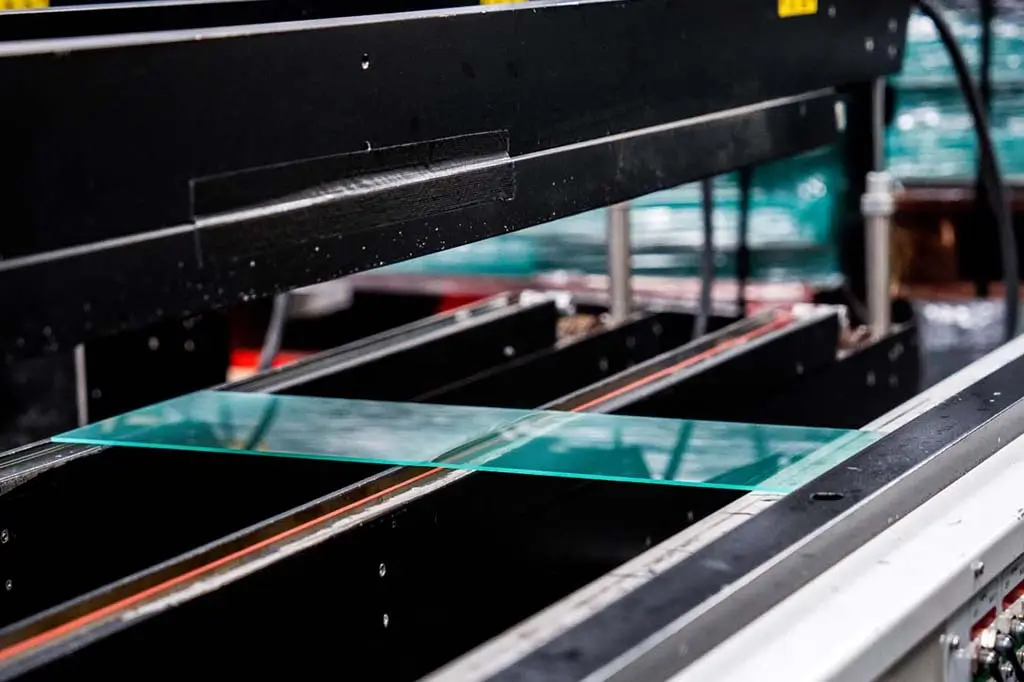
Acrylic turns up across retail for a few good reasons, and they tend to reinforce each other rather than compete.
Put simply, retailers use acrylic because it looks the part and keeps looking the part, long after installation day.
Fabrication isn’t a single process. It’s a sequence of stages, each adding precision and finish to the raw sheet material.
Design and prototyping. Every project starts with 3D modelling and design work, which allows a retailer to see a life-like render of the finished fixture in situ before anything is cut. Soft tooling can also be produced at this stage for in-store trials, so decisions get tested before committing to full production runs.
Cutting and forming. This is where the material starts to take shape:
Finishing. The final stage is where the piece gets its shine. Diamond and flame polishing smooth every edge, so the finished product looks considered rather than cut, right down to the last corner.
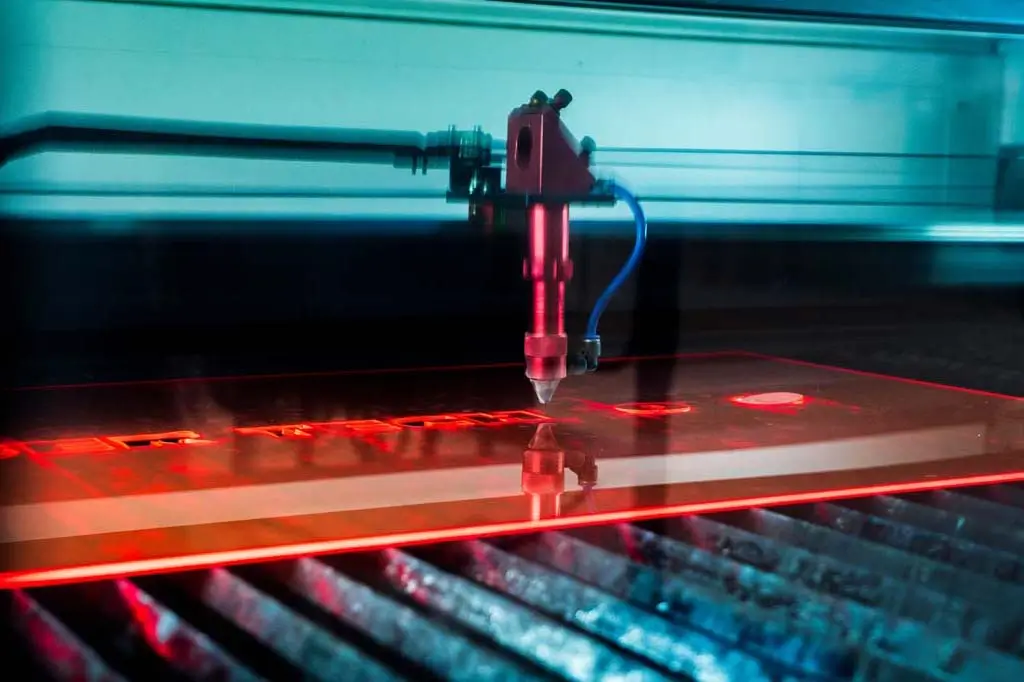
Acrylic fabrication shows up in more places on a shop floor than most shoppers would guess.
Yes, in most cases. Acrylic costs more upfront than basic plastics like PVC or styrene, but its durability means fewer replacements over the life of a fixture, which usually brings the total cost down over time.
The right choice depends on the project:
Working with a fabricator that manufactures in-house, rather than outsourcing production, also helps on both counts. It tends to shorten lead times and lower the per-unit cost on larger rollouts, since design, prototyping and manufacturing all happen under one roof.
Not every acrylic supplier fabricates their own products, and that difference matters more than it might first appear.
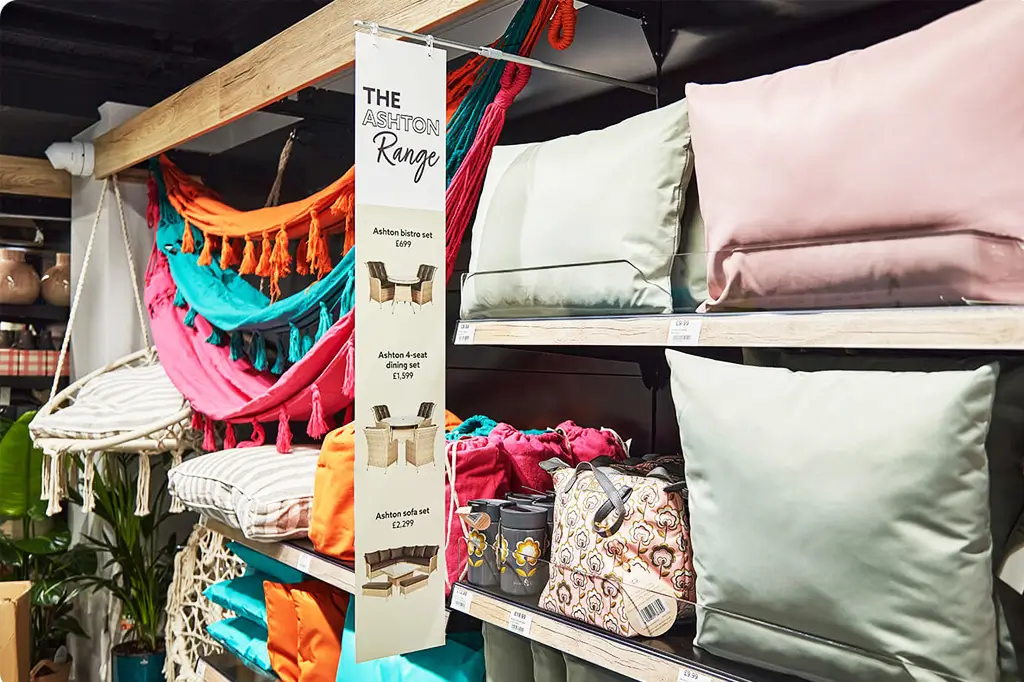
Acrylic fabrication takes a simple, versatile material and turns it into shelf-edge components, signage and bespoke fixtures that hold their finish under real shop-floor conditions. Whether you need a handful of stocked shelf risers or a fully bespoke display unit, having that fabrication done in-house means fewer handoffs, tighter quality control and a faster route from concept to store.
If you’re planning a project and want to talk it through, get in touch with the Harrison Retail team to see what’s possible.