What Is an Electronic Shelf Label (ESL) and How Does It Work?
Published 23 October, 2026
6 Min Read
It’s Sunday night before a big promotion. Someone is walking the aisles with a box of freshly printed tickets, swapping them one at a time, and on Monday morning a customer still finds a shelf price that doesn’t match the till. Most store teams know that feeling.
Electronic shelf labels fix a lot of that. Head office changes a price, and within minutes it’s on the shelf edge in every store. But there’s a part of the story most ESL guides skip: the label only works if it’s held securely, at the right angle, on the shelf it was meant for. Here’s how ESLs work, what’s inside them, and what it takes to get them onto your shelves properly.
An electronic shelf label (ESL) is a small, battery-powered digital display that sits on the shelf edge in place of a paper price ticket. It receives price and product updates wirelessly from the retailer’s central system, so prices change without anyone printing or swapping labels.
Price is only the start. Depending on the model, an ESL can show the unit price, promotional offers, loyalty prices, stock information, barcodes and QR codes. Some can flash a small LED to help colleagues find a product quickly.
You’ve probably seen them already. Supermarkets and convenience stores were early adopters, and ESLs are now common in DIY, pharmacy, electrical and garden retail too. They’re one part of a wider Price Communication setup that also includes data strips and ticket holders.
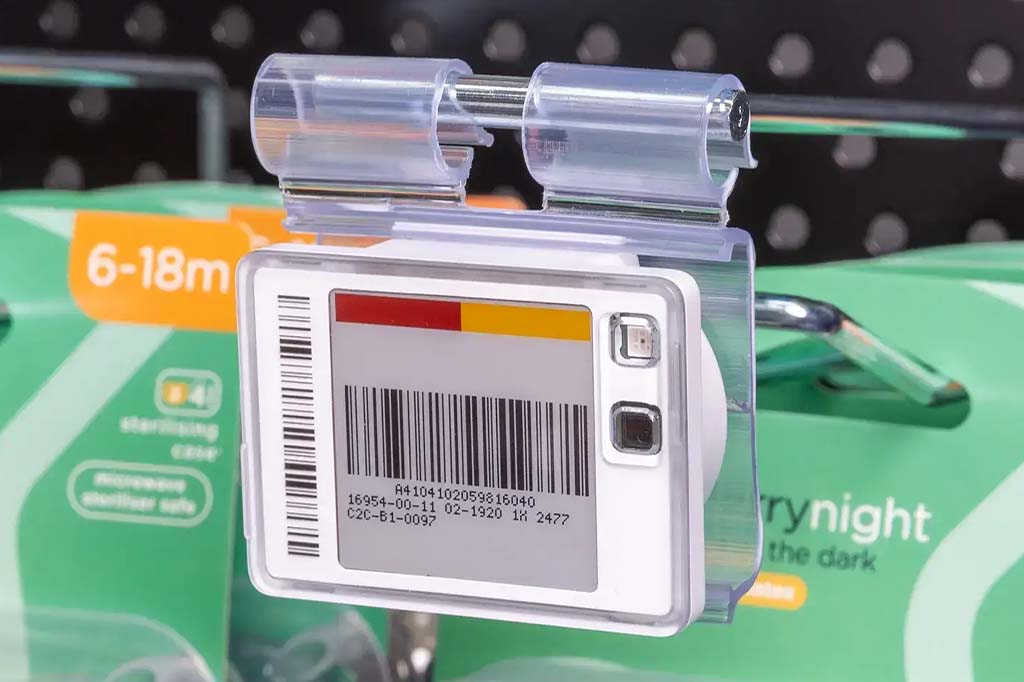
Behind every ESL is a simple chain of systems. When a price changes, this is what happens:
The whole process can take minutes, whether you’re changing one price or several thousand.
Most ESLs use e-paper, the same kind of display you’ll find in an e-reader. E-paper only uses power when the image changes and holds the picture the rest of the time without drawing any. That’s why ESL batteries last for years rather than months.
Colleagues can still work with labels directly on the shop floor. A handheld scanner or NFC-enabled phone links each label to the right product when it’s first installed, and the same tools can be used to check a label or light up its LED during picking and replenishment.
Take an ESL apart and there isn’t much to it. There’s a screen (usually e-paper, sometimes LCD), a small radio chip that talks to the base stations, a long-life battery, and a plastic casing that protects everything from knocks and trolleys.
Most e-paper labels are black and white, with a third colour such as red or yellow for offers and promotions. Some newer models add a fourth colour.
Sizes vary a lot. Small labels suit tight shelf edges in health and beauty, while larger formats are used for fresh produce, chilled cabinets and promotional areas where there’s more to say. That variety matters later on, because every size and brand of label needs a holder that fits it properly.
The first reason is accuracy. When the shelf price and the till price come from the same system, they match. That protects customer trust and makes compliance easier. The updated Price Marking Order guidance, which applies in Great Britain from April 2026, says selling and unit prices must be clearly legible and close to the product, and that both must be shown for promotions and loyalty offers. Keeping that right across thousands of paper tickets is hard work. With ESLs, it’s handled centrally.
The second reason is time. Ticket changes take up hours of colleague time every week, and ESLs hand that time back for serving customers and keeping shelves full.
Then there’s flexibility. Retailers can run promotions to a tight schedule, mark down short-dated stock in the afternoon, and stop printing (and binning) stacks of paper tickets.
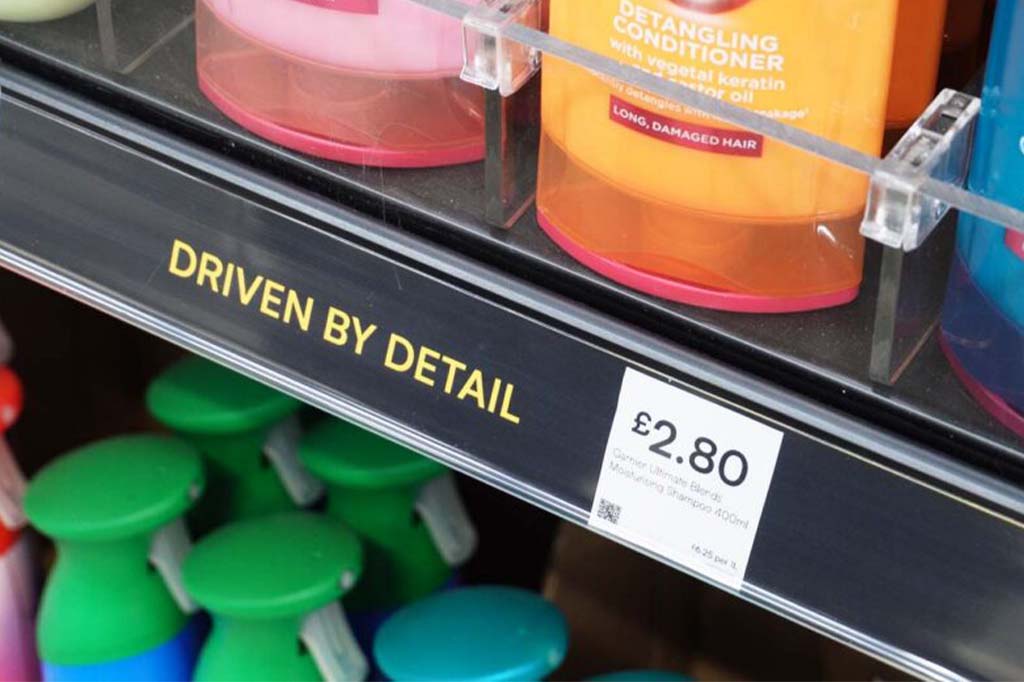
This is the part most guides leave out. An ESL is a precise piece of electronics, and it needs something to hold it. That’s the job of the ESL rail (also called an ESL profile or holder), which fixes to the shelf edge and keeps each label in place.
A poorly matched rail causes real problems. Labels slide along the shelf, get knocked off by cages and trolleys, or sit at an angle shoppers can’t read. Each of those takes time to fix and chips away at the accuracy ESLs were bought for in the first place.
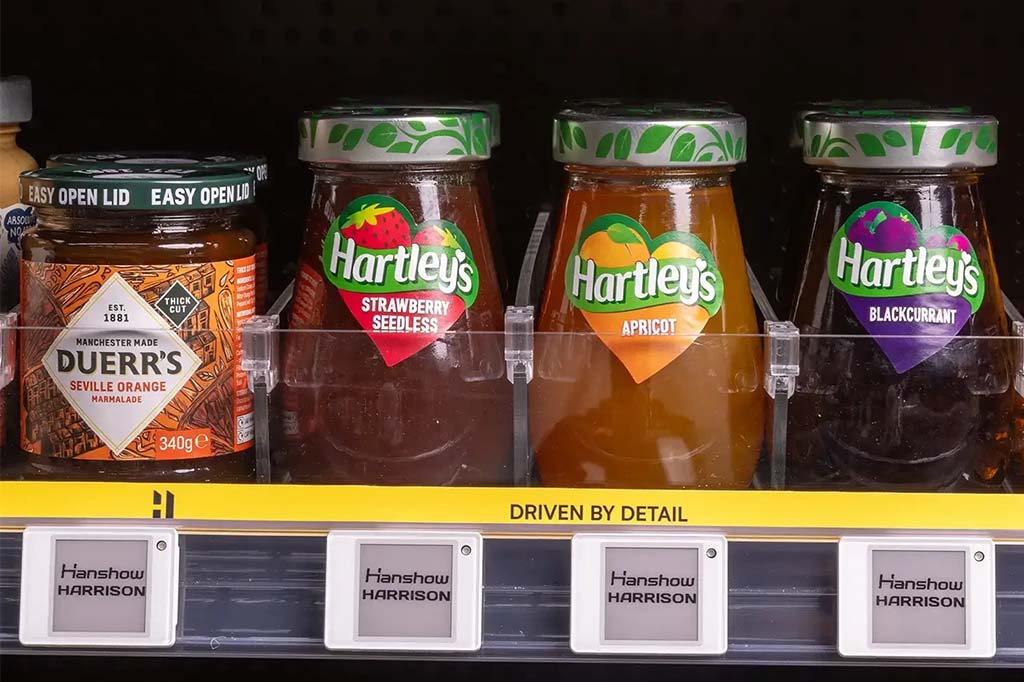
Our ESL Rails are designed for the labels and shelving UK retailers actually use. The range covers Hanshow labels (Nebular and Polaris) and Vusion labels, including SES labels with no pin. It fits common shelving such as “C” channel, ITAB, Tego, Eden and Caem, as well as wire, glass, wooden and Epta fridge shelves.
Features vary by rail, but include integrated hinges, rear print carriers for promotional material, angle adjustment so labels face the shopper, inbuilt bumper protection, and an inbuilt ESL release method so colleagues can remove labels without damaging them. All our ESL rails are UV stable, so they won’t degrade under store lighting.
Not every retailer switches every store overnight. Some rails, such as DEA10 and DEA13, fit onto existing paper data strips, which makes a phased rollout much simpler.
For larger projects, our in-house Design and Innovation team can create bespoke rails. When Co-op upgraded its ESLs, we designed six new rails, produced the moulds within three weeks and supplied more than 120 stores. You can read how we did it in our Co-op ESL Rail Case Study..
Most ESL batteries last several years. The exact lifespan depends on the label size, the display type and how often the screen updates. A label that changes price several times a day uses more power than one that updates once a week.
They can be. The upfront cost is higher than paper, but smaller stores with fewer colleagues often feel the time savings the most. Frequent price changes, regular promotions and compliance pressure all strengthen the case for ESLs.
An ESL is a small, low-power label that shows price and product details at the shelf edge. Digital signage uses larger, mains-powered screens to show advertising, video or brand content around the store. The two often work together, but they do different jobs.
Yes, if they’re held in the wrong rail. A rail matched to both the label and the shelf type keeps ESLs secure, and features like bumper protection and a dedicated release method help prevent accidental knocks and damage during removal.
ESLs make pricing faster and more accurate, and the right rail keeps them working on a busy shop floor for years. If you’re planning a rollout, take a look at our ESL Rail Range or download the ESL Guide to find the right rail for your labels and shelves. For anything else, Get in touch..