Acrylic Vs Wire Display Fixtures: Pros, Cons & How To Choose
Published 16 October, 2026
8 Min Read
The promotion is booked, the space is agreed and the stock is on its way. Then someone asks whether it should go in a wire dump bin or on an acrylic stand, and the conversation stalls.
It’s a fair question. The fixture you choose shapes how the product looks, how quickly shoppers pick it up and how long the display survives a busy trading period. When you’re rolling out across dozens or hundreds of stores, a wrong call gets repeated in every one of them.
This guide compares acrylic vs wire display fixtures on the points that matter in store: visibility, brand perception, capacity, durability, security, signage and cost. Neither material wins outright. Each does a different job well, and most store estates need both.
If acrylic is already top of your list, our guide to How Acrylic Retail Displays Can Increase Customer Footfall looks at the shopper side in more detail.
Acrylic (often called Perspex, which is a trade name) is a clear, rigid plastic. It can be cut, bent, polished and bonded into almost any shape, from a simple shelf riser to a full bespoke stand. It’s shatterproof, lighter than glass and keeps the focus on the product.
Wire fixtures are made from formed steel rod, usually with a protective finish. Our wire dump bins, for example, are zinc-plated steel. They’re open, strong and quick to fill, and many designs collapse flat for delivery and storage.
The simplest way to think about the trade-off is this: acrylic is built for presentation, and wire is built for volume and speed. Most of the pros and cons below follow from that.
Acrylic gives shoppers a clear view of the product from almost every angle. That counts for a lot in categories where appearance sells, such as beauty, gifting, homeware, small tech and new launches. A product raised on a clear plinth looks considered, and shoppers tend to read that as quality.
It’s also very adaptable. Because acrylic can be cut and formed to size, a display can be built around a brand’s exact footprint and campaign. When Dreams needed divan display stands, we designed a bespoke acrylic unit and rolled out more than 9,000 of them across its 200 UK stores.
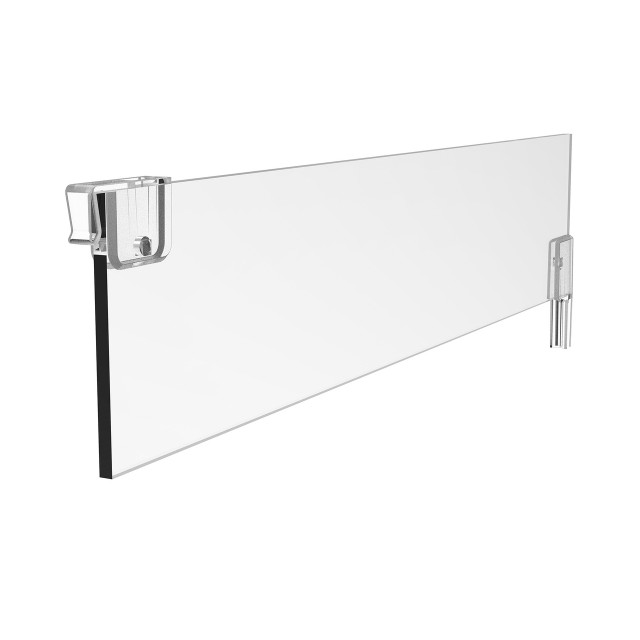
Acrylic isn’t only for feature displays. At shelf level, Acrylic Shelf Risers (6mm thick, in lengths from 665mm to 1240mm) lift products into view and stop them slipping off the shelf edge, while Acrylic Shelf Dividers with Clips keep facings neat between replenishments. Our Complete Guide To Shelf Risers explains how they work.
Acrylic scratches if it’s handled heavily or cleaned with the wrong products. A soft cloth with mild soapy water (or a dedicated acrylic cleaner) keeps it looking clear. Paper towels and solvent-based sprays do the opposite.
It also costs more per unit than a standard wire fixture, and bespoke pieces need time for design, prototyping and sign-off. For a short promotion with a tight deadline, that can rule it out.
Acrylic is also a poor match for heavy, bulky or loose products. A clear stand piled high with multipacks loses the clean look that made it worth choosing in the first place.
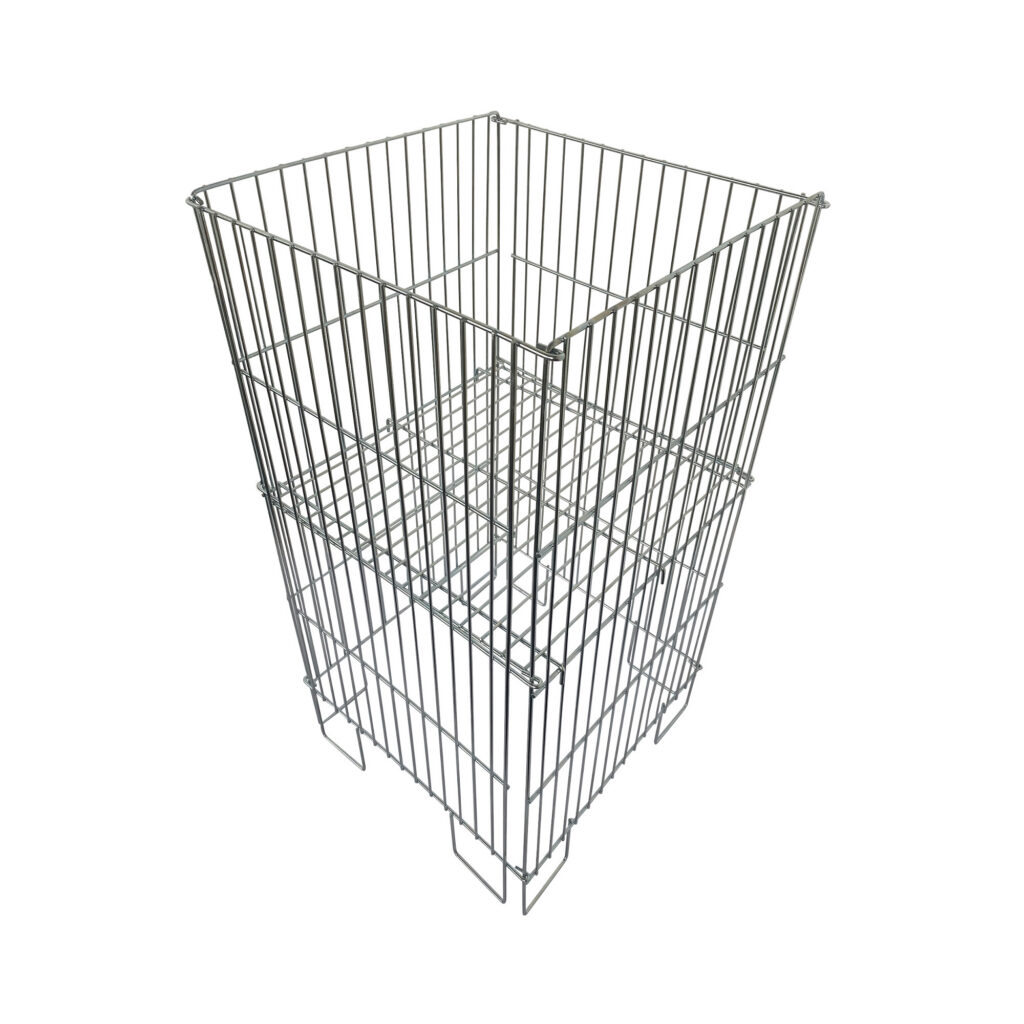
Wire is the workhorse of impulse and promotional selling. A dump bin in an aisle or by the tills holds a lot of stock, fills in minutes and tells shoppers there’s a deal before they’ve read a single price. Our Metal Collapsible Wire Dump Bin range includes a rectangular bin (540 x 400 x 770mm) and a square bin (430 x 430 x 770mm), in silver or white.
It’s practical for rollouts, too. Collapsible bins travel and store flat, which keeps freight costs and back-of-house space under control when you’re supplying a whole estate.
Wire is easy to sign and price as well. Our wire basket sign holders and ticket holders clip over wire up to 9mm in diameter, and the Basket Showcard Holder & Frame takes larger POS. If you use electronic shelf labels, our Wire Basket Adaptor fits Pricer, SoluM or Hanshow ESLs, so promotional pricing stays accurate. Our ESL Compatibility Guide covers which labels work with which brackets.
Wire’s biggest strength is also its weakness. An open bin of stock says “value”, which is ideal for a seasonal promotion and wrong for a premium brand.
Wire displays need looking after, too. Once a bin has been rummaged through a few times it starts to look untidy, and an untidy display sells less. Small items can slip through the gaps, and there’s nothing to stop high-value products walking out of the door.
Choosing between a basket and a bin? Our comparison of Wire Display Baskets vs Dump Bins looks at which drives more impulse sales.
Here’s how the two materials compare on the factors store teams ask us about most.
| Factor | Acrylic | Wire |
| Visibility | Clear, all-round view of each product | Open view of stock in bulk |
| Brand Perception | Premium and considered | Value and promotion |
| Capacity | Lower, suited to curated facings | Open access with no built-in security |
| Durability | Shatterproof, but can scratch with heavy handling | Open access with no built-in security |
| Security | Lockable boxes, cabinets and surrounds available | Open access with no built-in security |
| Signage and ESLs | Sign holders and magnets fit easily | Clip-on sign holders, data strips and ESL adaptors |
| Cost Per Unit | Higher, especially for bespoke designs | Lower |
| Transport & Storage | Flat-packed or assembled, depending on design | Many designs collapse flat |
| Best For | Beauty, gifting, homeware, tech and launches | Seasonal lines, impulse buys, multi-buys and clearance |
The short version: choose acrylic when the product needs to look its best, and wire when it needs to move in volume.
If you’re still weighing up acrylic vs wire display fixtures, these questions usually settle it.
If the answers point in different directions, that’s normal. It often means the range needs a mix of fixtures rather than a single choice.
It depends on the product and the goal. Acrylic suits premium, presentation-led products where appearance drives the sale. Wire suits high-volume promotions, seasonal lines and impulse buys, where capacity and quick replenishment matter more than a polished finish.
Yes. Acrylic is shatterproof and weather resistant, so it copes well in busy stores and can be used indoors or outdoors. The main risk is surface scratching, which you can keep to a minimum by cleaning with a soft cloth and non-abrasive products.
Not usually. An open wire bin signals value and invites shoppers to rummage, which works against a premium brand. For higher-value lines, an acrylic stand, plinth or shelf riser presents each product more carefully. That said, wire can work for a premium brand’s seasonal gift sets or multi-buys, where the offer is the message.
Yes. Clear Loss Prevention Fixtures keep high-value stock on show while controlling who can reach it. Our Security Display Boxes and Locked Cabinets can only be opened by staff key holders, and bespoke acrylic FSDU surrounds protect promotional stock without hiding it from shoppers.
Yes, and most retailers do. For B&Q’s nationwide store refresh, we supplied bespoke acrylic cushion stands, picture frame racks, shelf dividers and shelf risers alongside wire dump bins, across more than 300 stores. Each fixture was chosen for the job its section of the store needed to do. You can read the full B&Q Case Study on our website.
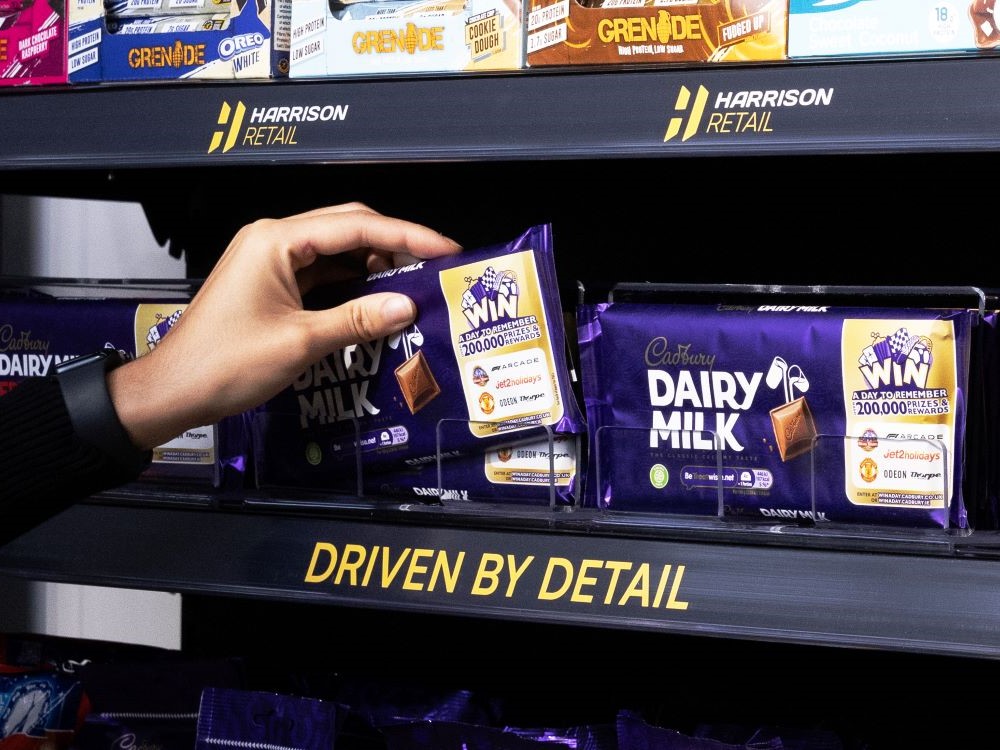
Choosing between acrylic and wire gets easier when you start with what each area of the store needs to achieve. A hero product needs presentation, a seasonal line needs room for volume and a high-value range needs protection. Most stores have all of these within a few metres of each other.
That’s where we can help. You’ll work with a named account manager who gets to know your estate, and our design team can produce technical drawings, renders and in-store prototypes for sign-off before anything goes into production. Bespoke acrylic is made at our UK facility, and we can build custom wire display baskets to your specification.
Talk to our team about the right mix of acrylic and wire fixtures for your stores. Get in touch or find out more about our Bespoke Manufacturing Services.